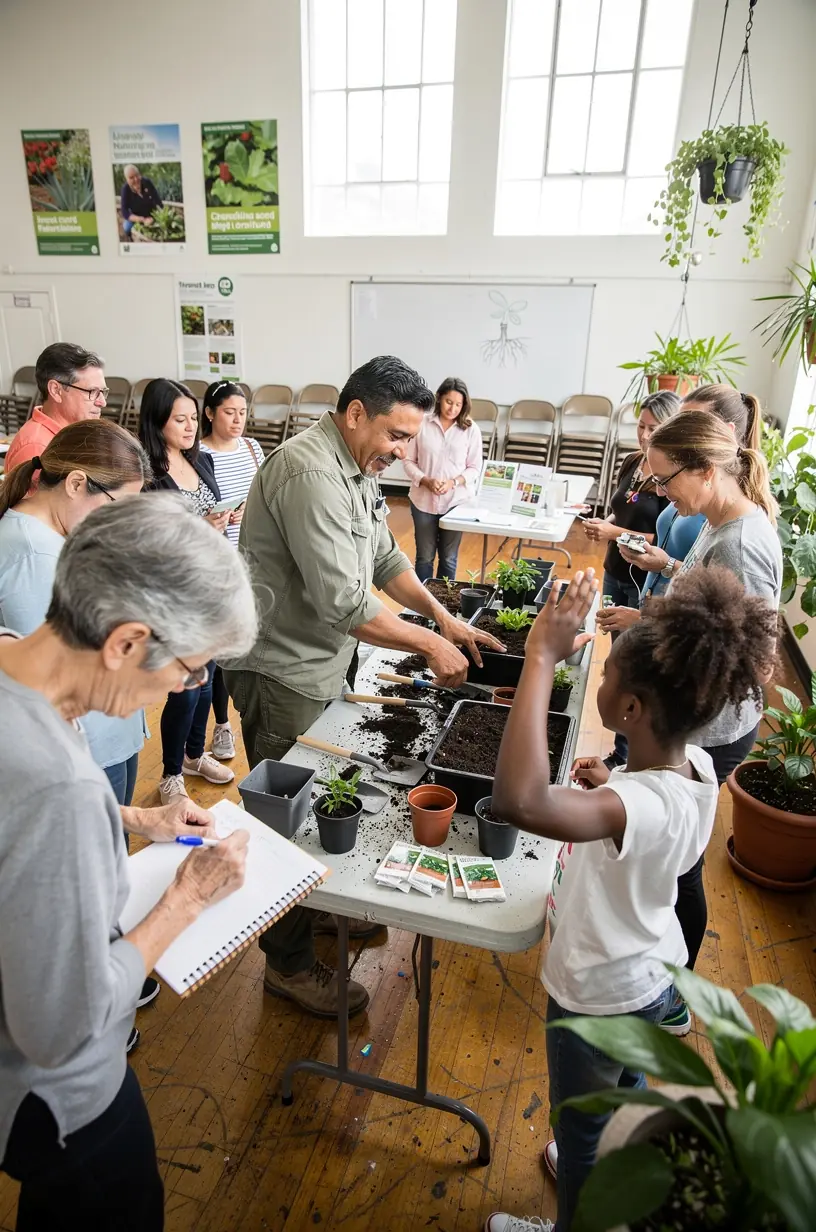
Exploring the Benefits of Local Resource Sharing
In recent years, local resource sharing has gained popularity as a sustainable approach to community engagement. By pooling resources together, residents can create a more connected and supportive environment. This article explores the various benefits of local resource sharing, providing insights that can help communities thrive.
Understanding the Concept of Local Resource Sharing
Local resource sharing typically involves individuals and organizations within a community collaborating to share goods, services, and skills. This approach can take many forms, including tool libraries, community gardens, and skill exchange programs. According to studies, communities that engage in resource sharing often see improved social cohesion and increased access to essential services.

"Resource sharing not only fosters community ties but also promotes sustainability and reduces waste." – Community Development Expert
Benefits of Local Resource Sharing
- Cost Savings: Sharing resources often results in significant financial savings for participants. For instance, a study by the Institute for Local Self-Reliance found that communities utilizing resource sharing can reduce individual expenses by up to 30%.
- Enhanced Community Bonds: Resource sharing initiatives can improve relationships among community members. Many users report that engaging in these activities fosters trust and collaboration, which can lead to lasting friendships.
- Sustainable Practices: Local resource sharing contributes to environmental sustainability. By reusing and sharing items, communities can decrease their carbon footprint. Research indicates that local sharing initiatives can reduce waste generation by as much as 25% in urban areas.
How to Get Involved in Local Resource Sharing
Getting started with local resource sharing typically requires minimal effort and can be quite rewarding. Here are some steps to consider:
- Identify Available Resources: Review what resources you have to share, such as tools, books, or skills. This step involves a bit of self-reflection and organization, but it can lead to effective sharing opportunities.
- Connect with Local Networks: Many communities have established networks for resource sharing. Check local social media groups, community centers, or websites like Nextdoor to find opportunities.
- Participate Actively: Engage in sharing activities regularly. This may involve attending community events or simply reaching out to neighbors. Many participants find that consistent involvement enhances their overall experience.
Acknowledging Limitations
While local resource sharing can be highly beneficial, it is important to acknowledge some limitations. Setting up a sharing program typically takes time—often several weeks to establish a reliable network. Additionally, not every community may have the infrastructure or enthusiasm necessary to support sustained resource sharing. It works best when individuals are motivated and committed to the idea.
Conclusion
Local resource sharing presents an effective method to strengthen community ties, save money, and promote sustainability. By participating in or initiating resource sharing activities, individuals can contribute to a thriving, connected community. Remember, while the benefits are substantial, they require active participation and commitment from all involved. Consider exploring local options in your area and see how you can get started today.
Learn More