How to Foster Neighborhood Support Networks
Building a supportive neighborhood network is essential for enhancing community well-being. This article outlines key strategies to cultivate these connections effectively.
Understanding the Importance of Neighborhood Support
Research indicates that strong neighborhood support networks can significantly enhance residents' quality of life. According to a study published in the American Journal of Community Psychology, individuals with active social support often report lower levels of stress and higher satisfaction with their lives.
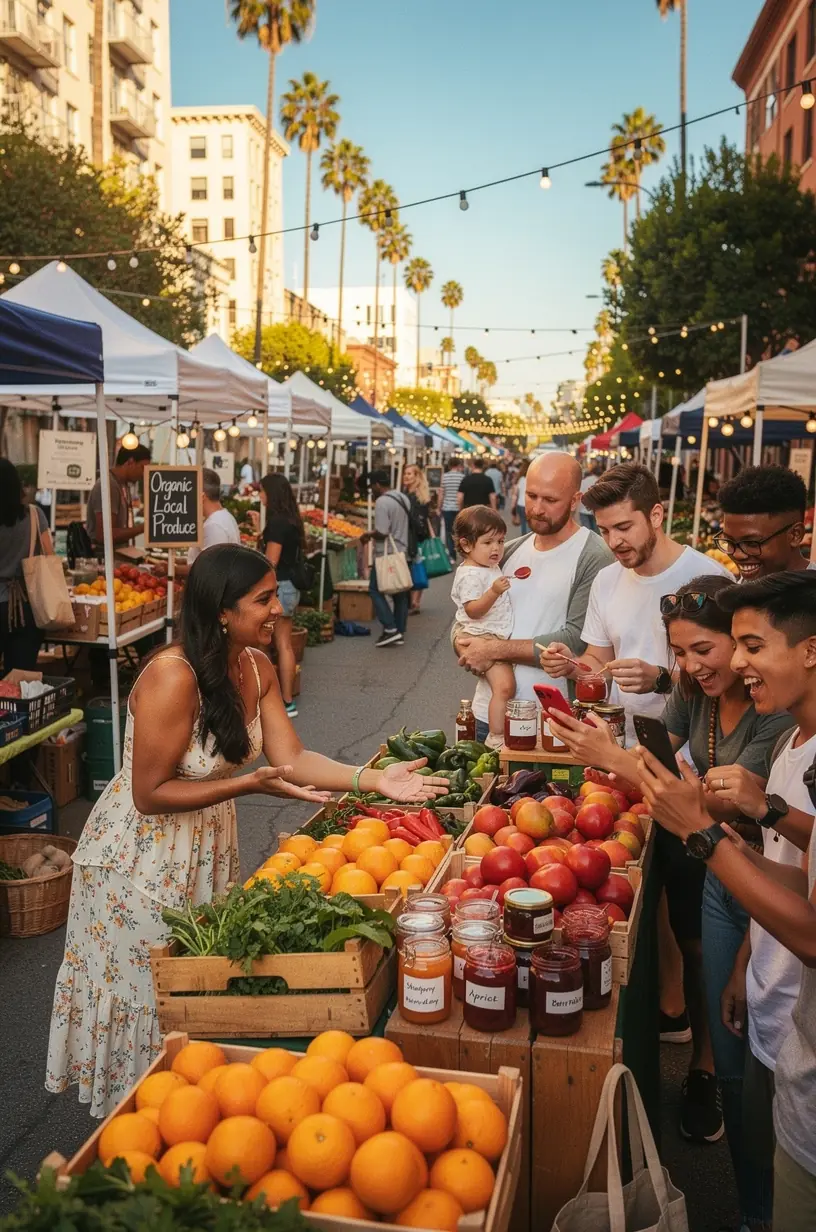
"Communities that foster strong relationships between neighbors are often more resilient in the face of challenges." - Community Development Expert
Strategies to Build Supportive Networks
Implementing effective strategies to strengthen neighborhood ties can foster a sense of belonging and mutual aid. Here are actionable steps to consider:
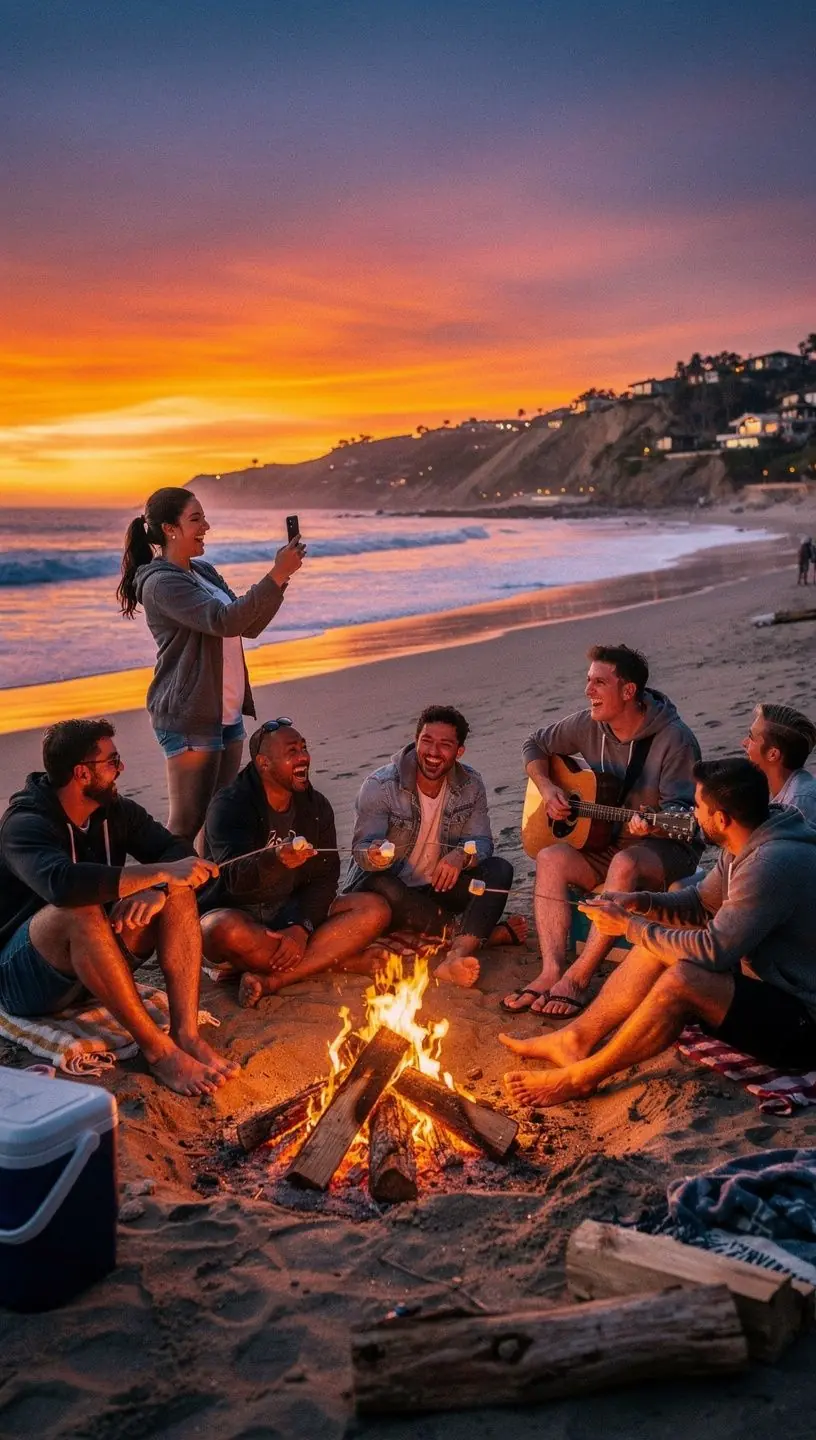
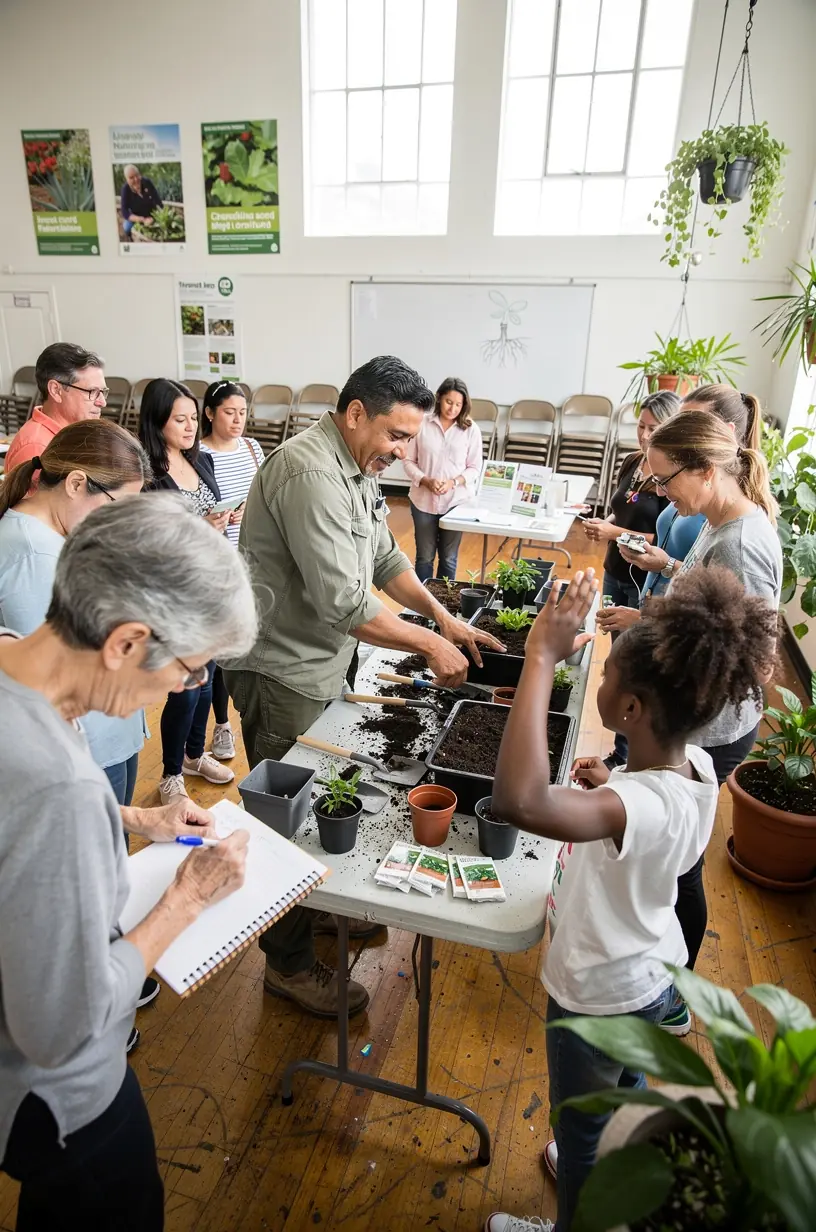
- Organize Community Events: Hosting local gatherings, such as potlucks or block parties, can help neighbors meet and connect. Studies show that regular social interactions typically lead to stronger relationships.
- Utilize Social Media: Platforms like Facebook or Nextdoor can encourage communication among community members. Many users report that these platforms help them share resources and organize activities efficiently.
- Establish a Neighborhood Watch: Setting up a neighborhood watch program not only enhances safety but also fosters camaraderie. This approach works best when residents actively participate and collaborate on safety initiatives.
Challenges to Consider
While fostering neighborhood support networks can be rewarding, it also involves overcoming certain challenges:
- The process typically requires consistent effort over several months to build trust and rapport among residents.
- Engagement may vary; some individuals may not participate due to personal commitments or lack of interest.
- It’s essential to be inclusive to accommodate diverse perspectives within the community, which may involve navigating different cultural norms and communication styles.
Conclusion
In conclusion, fostering neighborhood support networks is a valuable endeavor that can improve community resilience and well-being. By implementing the strategies outlined, residents can create a supportive environment that benefits everyone. Remember, while building these networks requires effort and time, the potential rewards for both individuals and the community are significant.